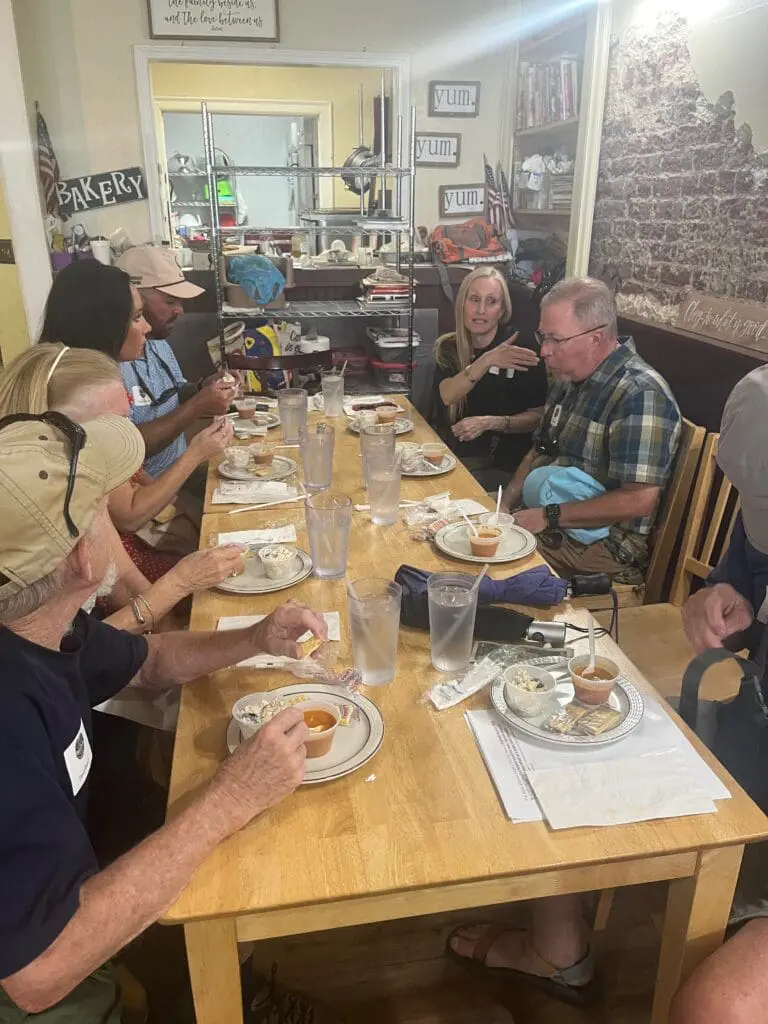
A good Appalachian meal is rarely just about what is on the plate. It might begin with a warm welcome from the person behind the counter, continue with a story about a family recipe, and end with a stroll past a mountain mural you would have missed on your own. To plan an Appalachian tasting trip that feels like more than a string of restaurant stops, give yourself time for all three: food, people, and place.
For visitors to the North Carolina High Country, West Jefferson makes an especially easy home base. Its downtown is walkable, full of independent businesses, and close enough to scenic drives, galleries, and mountain overlooks to turn a food-focused afternoon into a memorable getaway.
Start With a Town You Can Taste on Foot
The best tasting trips do not require spending half the day in the car. Choose a small downtown where several food stops, shops, public art, and interesting streets sit within a few blocks of each other. That leaves room to notice the details: the scent of baked goods near an open door, a local artist’s work in a window, or a shop owner who points you toward a favorite view.
West Jefferson is built for this kind of day. Downtown offers the pleasure of a relaxed mountain town while still giving visitors plenty to sample and see. Park once, wear comfortable shoes, and let the pace slow down. A tasting trip should feel generous, not rushed.
If you are traveling with different ages or appetites, a walkable town also keeps the day flexible. One person can browse a gallery while another looks for coffee. Families can build in a break without everyone having to relocate. Couples and friend groups can linger where the conversation is good.
Plan an Appalachian Tasting Trip Around the Seasons
Appalachian food follows the rhythm of the mountains. The exact flavors on your trip will depend on when you visit, and that is part of the fun. Spring may bring bright greens, fresh herbs, and lighter plates after winter. Summer calls for berries, tomatoes, sweet corn, and cold drinks after a warm afternoon on the sidewalk. Fall brings apples, squash, comforting baked goods, and the cozy feeling of a meal after leaf-peeping. In winter, soups, sandwiches, and hearty sweets can be exactly what a mountain day needs.
Do not arrive with a rigid checklist of dishes you must find. Instead, leave room for what is fresh, what a local maker is excited about, and what suits the weather. A rainy afternoon may be perfect for a lingering lunch and a dessert stop. A clear October day may call for a downtown tasting followed by a drive along the Blue Ridge Parkway.
It is wise to make reservations for lodging and special meals well ahead during peak leaf season, holiday weekends, and summer weekends. Small towns have limited tables and rooms, which is part of their charm but does require a little planning.
Build a Day With a Beginning, Middle, and Sweet Finish
Trying to fit every food stop into one afternoon can turn a delicious outing into a very full one. Think in chapters instead. Begin with a coffee, pastry, or small breakfast that gives you a reason to settle in. Make lunch the centerpiece, then save a little room for something sweet or a late-afternoon sip.
A thoughtful tasting day might include four or five different kinds of experiences rather than four or five large meals. Share when you can, especially if you want to try several items. A savory bite, a regional specialty, a local beverage, and a dessert will often tell a fuller story than ordering the biggest entrée at every stop.
Portion size matters. Appalachian hospitality is generous, and the most satisfying itineraries respect that. If lunch is substantial, make the next stop a smaller treat. If you have dietary needs, call ahead or ask early in the visit. Independent businesses are often happy to help when they have notice, but options can vary by day and kitchen.
Look for Food With a Sense of Place
Appalachian food is not one single menu. It is a broad collection of traditions shaped by farming, preservation, family kitchens, migration, creativity, and the ingredients available close to home. You may find familiar Southern favorites alongside inventive sandwiches, locally roasted coffee, handmade sweets, or dishes with international influences.
The key is to ask a simple question: What feels local here? That might mean ingredients from a nearby farm, a recipe tied to the region, or a business that has become part of the town’s daily life. A good server or shop owner can often tell you what people come back for and why.
Be curious without treating the region like a museum display. Mountain communities are living communities, and their food continues to change. The most respectful travelers enjoy old-fashioned comfort foods and make room for the new ideas local cooks, bakers, and makers bring to the table.
Add Stories and Art Between the Bites
A memorable tasting trip needs breathing room. After a meal, take a block or two to look around rather than immediately heading to the next table. In West Jefferson, murals and public art add color to that in-between time. They are not simply pretty backdrops for photos. They can introduce local artists, reflect community history, and make a downtown walk feel like its own experience.
History works the same way. Notice old storefronts, railroad connections, mountain craft traditions, and the businesses that give a town its personality. You do not need a lecture to appreciate these details. A few well-told local tales can change the way a sandwich, a storefront, or a painted brick wall lands with you.
This is where a guided experience can be especially worthwhile. High Country Food Tours brings together generous tastings, downtown history, local landmarks, and a dedicated look at West Jefferson’s murals in one easygoing walk. For guests who would rather spend their afternoon enjoying the town than researching every stop, a small-group tour provides a satisfying lunch and an introduction to the people and places behind it.
Leave Time to Wander, and Keep Your Expectations Flexible
The strongest travel days have a little structure and a little space. Choose one anchor activity, such as a food tour, a planned lunch, or a visit to a gallery, then allow time for the unexpected. You may find a bookstore that keeps you longer than planned, a shop with the right gift to take home, or a view that deserves an extra ten minutes.
Be mindful of small-town hours. Some businesses close earlier than visitors expect, and others may have different schedules during quieter seasons. Check hours before you go, but do not let a changed plan spoil the day. If one stop is closed, use it as an excuse to explore another block, visit a local market, or sit with a cup of coffee and watch downtown move at its own pace.
Weather is another mountain variable. Bring a light layer even on a warm day, and have a rain-friendly option for your itinerary. The High Country can shift from sunny to cool quickly, particularly in the shoulder seasons.
Bring Home More Than a Souvenir
A tasting trip continues after the last bite when you take home something with a story. Look for shelf-stable treats, locally made jams, coffee, candy, spice blends, or a piece from a regional artist. Ask what travels well and what is made nearby. The best purchase is often a small reminder of a conversation you had, not the most expensive item on the shelf.
Before you leave, make a note of the places that surprised you. Tell a friend about the bakery, the mural, the welcoming server, or the flavor you did not expect. Small Appalachian towns thrive when visitors return with appreciation, spend locally, and share the good word.
Plan enough, then let the mountains do the rest. The right tasting trip will send you home full, happy, and already thinking about the next stop you want to make in downtown West Jefferson.